
Weight Management
GLP-1 Medications and Gallbladder Health: What to Know
November 2, 2026 Vitality Medicine RX Editorial Team
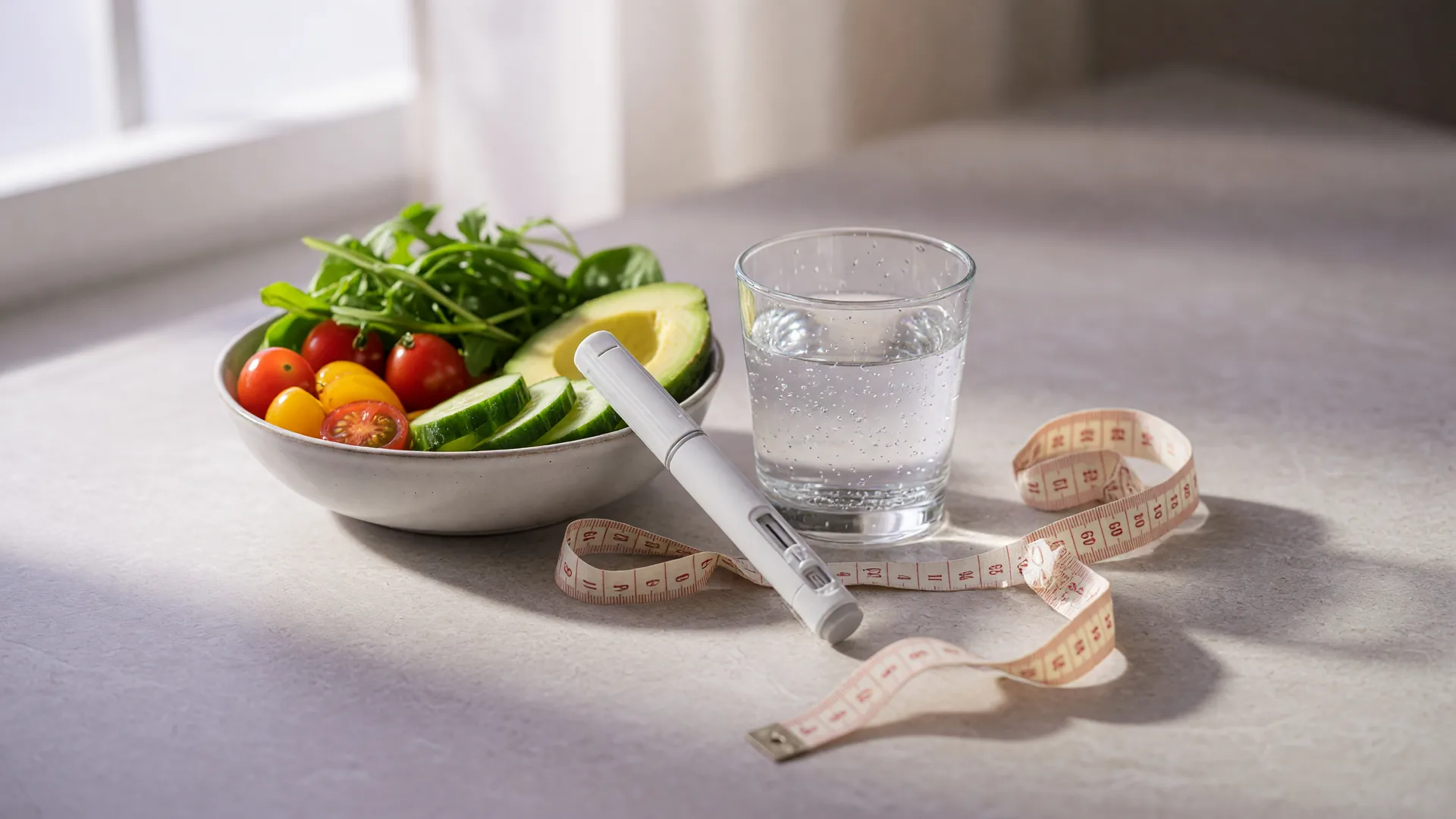
GLP-1 weight-loss medications are associated with an increased risk of gallbladder disease, including gallstones and gallbladder inflammation. A 2022 meta-analysis of randomized trials found the risk roughly doubled in weight-loss studies, and FDA labels for these drugs carry a warning about acute gallbladder disease. The increase is believed to relate to rapid weight loss and slowed gallbladder emptying, and most events are manageable when caught early. Vitality Medicine RX offers advanced practice provider-led telehealth weight management in states where Dr. Miklos Major II, Sc.D., DNP, NP-BC, FAAMFM holds an active license.
How strong is the link between GLP-1s and gallbladder disease?
In a 2022 meta-analysis of 76 randomized trials in JAMA Internal Medicine, GLP-1 receptor agonists were associated with about a 37 percent higher relative risk of gallbladder or biliary disease overall, and the risk was roughly doubled (relative risk about 2.3) in weight-loss trials, at higher doses and with treatment lasting longer than 26 weeks. In the STEP 1 semaglutide trial, gallbladder disorders occurred in about 2.6 percent of the drug group versus 1.2 percent on placebo.
What do FDA labels say?
Ozempic, Wegovy and Rybelsus labels all carry a warning about acute gallbladder disease, noting that gallstones and gallbladder inflammation have been reported in trials and after approval. The labels direct clinicians to investigate with gallbladder studies if gallstones or cholecystitis are suspected. In Wegovy's weight-management trials, gallstones occurred in 1.6 percent of treated patients versus 0.7 percent on placebo.
Why does this happen?
Two mechanisms are thought to contribute. Rapid weight loss increases the cholesterol saturation of bile, which promotes stone formation, and GLP-1 medications slow gallbladder emptying, allowing bile to pool. Both effects are more pronounced with faster weight loss, which is one reason gradual, medically supervised loss is emphasized.
What symptoms should prompt a call?
- Pain in the upper right abdomen or between the shoulder blades
- Nausea or vomiting, especially after meals
- Fever with abdominal pain
- Jaundice, or yellowing of the skin or eyes
How is risk managed?
- A discussion of gallbladder history before starting a GLP-1
- Steady rather than crash weight loss, with attention to nutrition
- Prompt evaluation of new abdominal symptoms rather than waiting
- A plan with your clinician for what to do if symptoms develop
When to talk to a clinician
If you are considering a GLP-1 or already taking one and have had gallbladder problems, or if you develop new abdominal pain, bring it up with a clinician rather than stopping the medication on your own. Book a discovery call with Vitality Medicine RX and we will confirm we can see you in your state and review your history and options.
Sources
- Association of GLP-1 Receptor Agonist Use With Risk of Gallbladder and Biliary Diseases: Systematic Review and Meta-analysis (JAMA Internal Medicine, 2022)
- Wegovy (semaglutide) Prescribing Information, FDA label
- Ozempic (semaglutide) Prescribing Information, FDA label
- Once-Weekly Semaglutide in Adults with Overweight or Obesity (STEP 1, NEJM 2021)
Related Pages
Talk to a Clinician
This article is educational and does not replace individualized medical advice. If you have questions about your own health, book a discovery call with Vitality Medicine RX. Your care is led by Dr. Miklos Major II, Sc.D., DNP, NP-BC, FAAMFM, a Doctor of Nursing Practice (DNP) and Doctor of Science (Sc.D.), board-certified advanced practice provider (NP-BC). Care is available in states where he holds an active license.
Book a Discovery CallQuestions About This Topic
Do all GLP-1 medications increase gallbladder risk?
The increased risk is seen across the class in meta-analyses, with the highest relative risk in weight-loss trials, at higher doses and with longer treatment. Individual risk depends on your history and how quickly you lose weight.
Are gallstones from GLP-1s dangerous?
Most gallbladder events are treatable, but gallstones can cause complications such as gallbladder inflammation, blockage or pancreatitis, which is why new abdominal pain should be evaluated promptly.
Can I take a GLP-1 if I have had gallstones before?
A history of gallbladder disease is an important part of the risk discussion before starting. Your clinician will weigh the benefits of treatment against your individual risk and may adjust the plan.
Does stopping the medication fix it?
Stopping a GLP-1 should be discussed with your clinician. New or worsening symptoms need evaluation first; the decision to continue, pause or stop is individualized.
How can I lower my risk while on a GLP-1?
Aim for steady, medically supervised weight loss, report new abdominal symptoms early, and follow the monitoring plan your clinician sets. Rapid weight loss is associated with higher gallbladder risk.
Last updated 2026-11-02.