Peptide Therapy
Peptide Therapy: FDA-Approved vs. Compounded, What to Know
October 12, 2026 Vitality Medicine RX Editorial Team
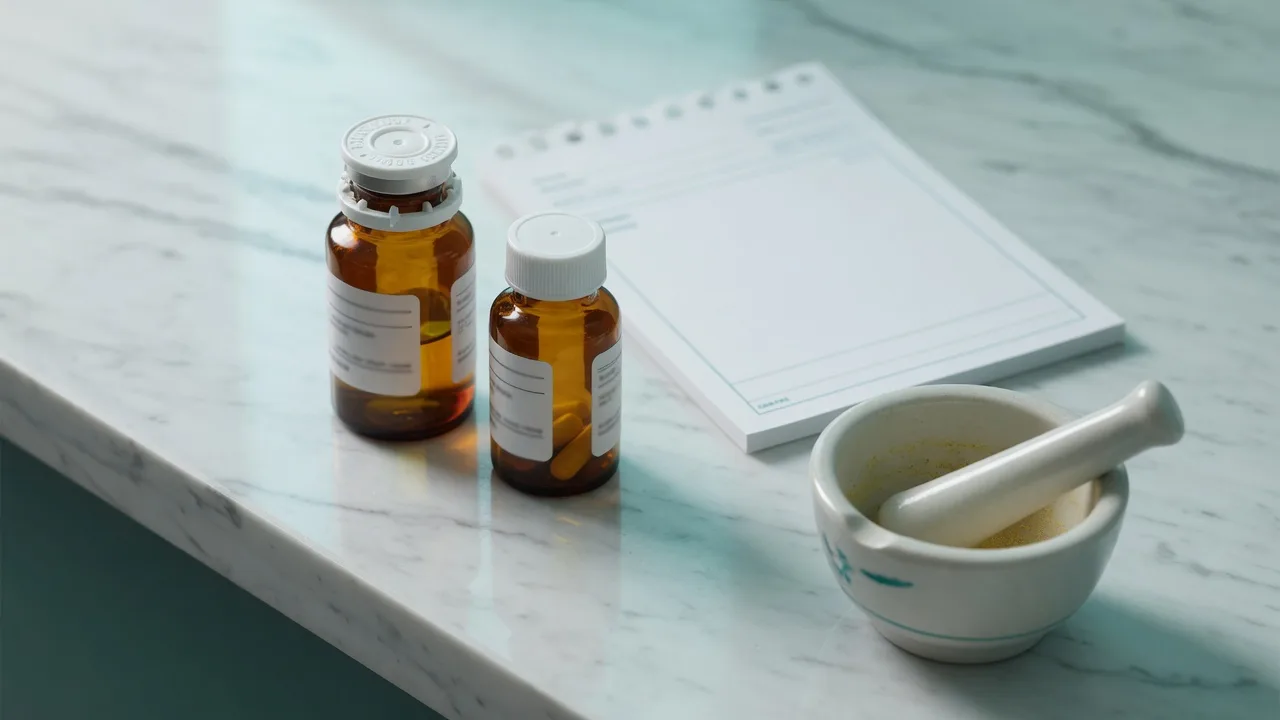
Some peptide products are FDA-approved for specific medical uses, while many peptides promoted online are not approved for the uses they are marketed for, and some cannot legally be compounded. Compounded peptides are not reviewed by the FDA for safety, effectiveness or quality before they are sold. Understanding this distinction matters before any treatment is considered. Vitality Medicine RX offers advanced practice provider-led telehealth care in states where Dr. Miklos Major II, Sc.D., DNP, NP-BC, FAAMFM holds an active license.
Which peptides are FDA-approved?
FDA-approved peptide products include GLP-1 medications such as semaglutide and tirzepatide for specific indications, tesamorelin for HIV-associated lipodystrophy, and certain other finished drugs. Approval means the product was reviewed for safety, effectiveness and quality for a specific use.
What about compounded peptides?
Compounded peptides are made by pharmacies and are not FDA-approved. The FDA has flagged popular peptides such as BPC-157 as unapproved drugs, and some are prohibited in sport. Compounding is lawful only under specific conditions and for a documented medical need.
What changed with GLP-1 compounding?
The FDA declared shortages of semaglutide and tirzepatide resolved in 2025 and ended enforcement discretion for essentially-a-copy compounding. Compounding of these medications is now limited to patient-specific prescriptions for documented medical needs.
What evaluation looks like
Any peptide discussion includes the specific product, its FDA status, the evidence for the proposed use, risks, alternatives and cost, before a decision is made. Only products that can be lawfully prescribed and dispensed by a licensed pharmacy are considered.
When to talk to a clinician
If you are curious about peptide therapy, book a discovery call. We will confirm we can see you in your state and give you an honest, evidence-informed picture of what may be appropriate.
Sources
Related Pages
Talk to a Clinician
This article is educational and does not replace individualized medical advice. If you have questions about your own health, book a discovery call with Vitality Medicine RX. Your care is led by Dr. Miklos Major II, Sc.D., DNP, NP-BC, FAAMFM, a Doctor of Nursing Practice (DNP) and Doctor of Science (Sc.D.), board-certified advanced practice provider (NP-BC). Care is available in states where he holds an active license.
Book a Discovery CallQuestions About This Topic
Are compounded peptides FDA-approved?
No. Compounded peptides are not FDA-approved and are not reviewed by the FDA for safety, effectiveness or quality before they are sold.
Is BPC-157 FDA-approved?
No. BPC-157 is not FDA-approved for any human use, is classified as an unapproved drug, and is prohibited in sport.
Can pharmacies still compound GLP-1 medications?
The FDA ended enforcement discretion for essentially-a-copy compounding after declaring the shortages resolved in 2025. Compounding is now limited to patient-specific prescriptions for documented medical needs.
What should I ask before any peptide treatment?
Ask about the specific product, its FDA status, the evidence for the proposed use, risks, alternatives and cost, and confirm it can be lawfully prescribed and dispensed by a licensed pharmacy.
Last updated 2026-10-12.