
Women's Health
PCOS and Insulin Resistance: What's the Connection?
October 15, 2026 Vitality Medicine RX Editorial Team
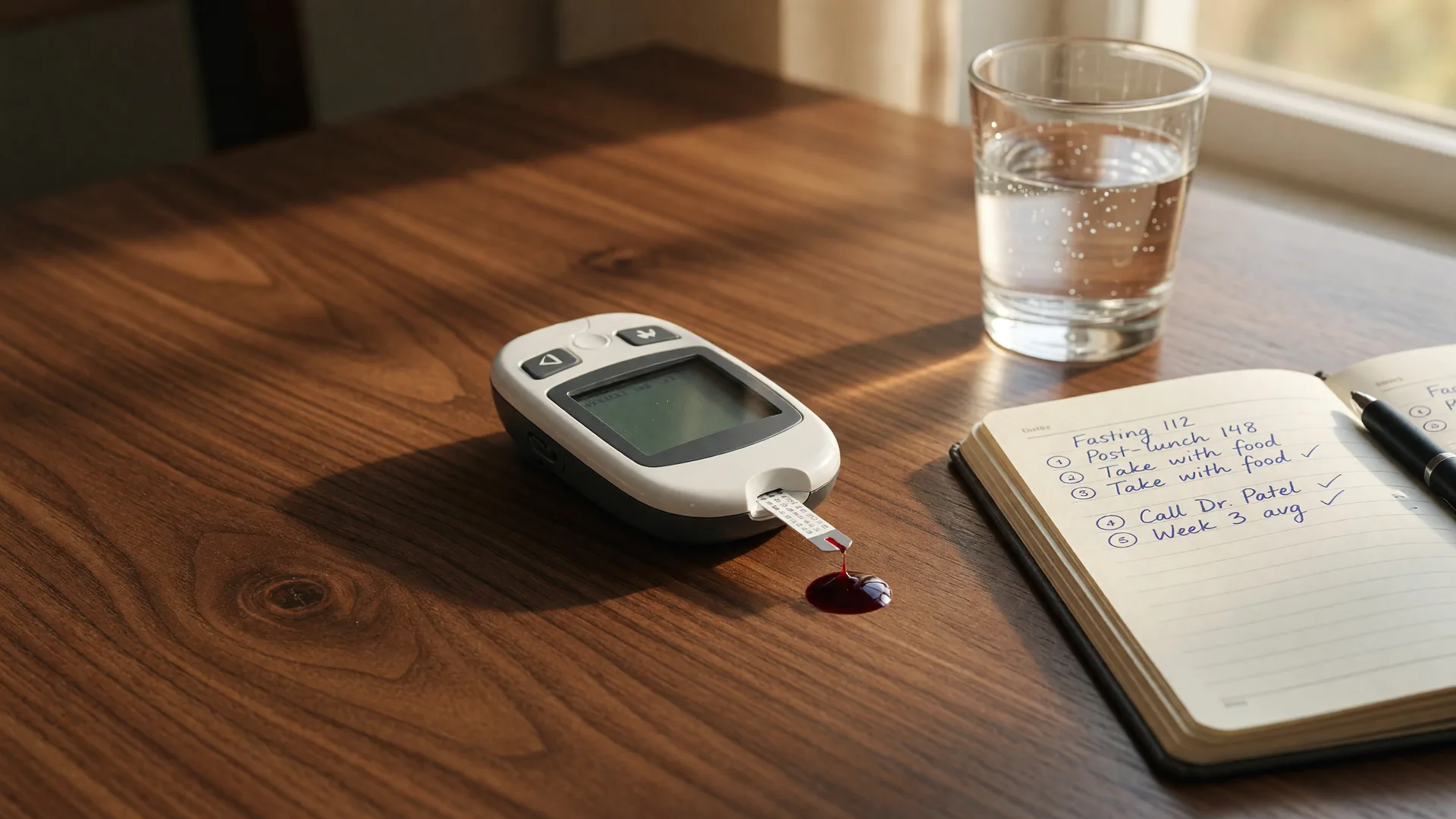
Insulin resistance is a central feature of polycystic ovary syndrome (PCOS) for many women: the body responds less effectively to insulin, the pancreas makes more to compensate, and the extra insulin can drive higher androgen levels. Estimates of how common it is vary widely, from roughly a third to three quarters of women with PCOS depending on the population and how it is measured. Vitality Medicine RX offers advanced practice provider-led telehealth evaluation in states where Dr. Miklos Major II, Sc.D., DNP, NP-BC, FAAMFM holds an active license.
How are PCOS and insulin resistance connected?
In PCOS, muscles and other tissues often respond less effectively to insulin. The body produces more insulin to compensate, and that higher insulin can stimulate the ovaries to make more androgens while also lowering SHBG, a protein that normally binds testosterone. The result is higher free testosterone and more pronounced PCOS symptoms, in a cycle that can reinforce itself.
How common is insulin resistance in PCOS?
Research using gold-standard measurement methods finds that women with PCOS on average have about 27 percent lower insulin sensitivity than women without it, and that higher body weight is associated with more severe insulin resistance. It can occur in lean women as well, though it is less common.
Why this matters beyond the ovaries
Because of insulin resistance, women with PCOS face a higher risk of prediabetes, type 2 diabetes and metabolic syndrome over time. That is why metabolic evaluation is a routine part of PCOS care rather than an afterthought.
How it is evaluated
- A detailed history of symptoms and risk factors
- Fasting glucose and insulin levels, with calculated measures of insulin resistance where appropriate
- HbA1c to assess average glucose over time
- Lipid panel and blood pressure as part of metabolic risk assessment
What can help
Nutrition, activity and weight management when appropriate are foundational, and improving insulin sensitivity is a common goal in PCOS care. Some women benefit from medications that support insulin sensitivity, which are prescribed only after evaluation and in the context of the whole picture.
When to talk to a clinician
If you have PCOS and want to understand your metabolic risk, or you have symptoms that could relate to PCOS or insulin resistance, a structured evaluation can help. Book a discovery call and we will confirm we can see you in your state and outline the next steps.
Sources
- Insulin resistance in polycystic ovary syndrome: a systematic review and meta-analysis of euglycaemic-hyperinsulinaemic clamp studies (Human Reproduction, 2016)
- Insulin resistance in polycystic ovary syndrome across various tissues: an updated review (J Ovarian Research, 2023)
- Insulin resistance and the polycystic ovary syndrome revisited (Endocrine Reviews, 2012)
Related Pages
Talk to a Clinician
This article is educational and does not replace individualized medical advice. If you have questions about your own health, book a discovery call with Vitality Medicine RX. Your care is led by Dr. Miklos Major II, Sc.D., DNP, NP-BC, FAAMFM, a Doctor of Nursing Practice (DNP) and Doctor of Science (Sc.D.), board-certified advanced practice provider (NP-BC). Care is available in states where he holds an active license.
Book a Discovery CallQuestions About This Topic
Is insulin resistance common in PCOS?
Yes. Estimates vary from roughly a third to three quarters of women with PCOS depending on the population and method, and it can occur even in lean women, though it is less common.
Does insulin resistance cause PCOS symptoms?
Higher insulin can drive the ovaries to produce more androgens and lower SHBG, which can worsen hyperandrogenism and related symptoms. It is one of several interacting factors.
How is insulin resistance tested in PCOS?
Typically with fasting glucose and insulin, calculated estimates of insulin resistance, HbA1c, and a lipid panel, interpreted with symptoms and history.
Can PCOS-related insulin resistance improve?
Improving insulin sensitivity through nutrition, activity and weight management when appropriate is a common goal, and some women also benefit from medications that support insulin sensitivity after evaluation.
Last updated 2026-10-15.