
Metabolic Health
Insulin Resistance: What It Is and How It Is Evaluated
October 8, 2026 Vitality Medicine RX Editorial Team
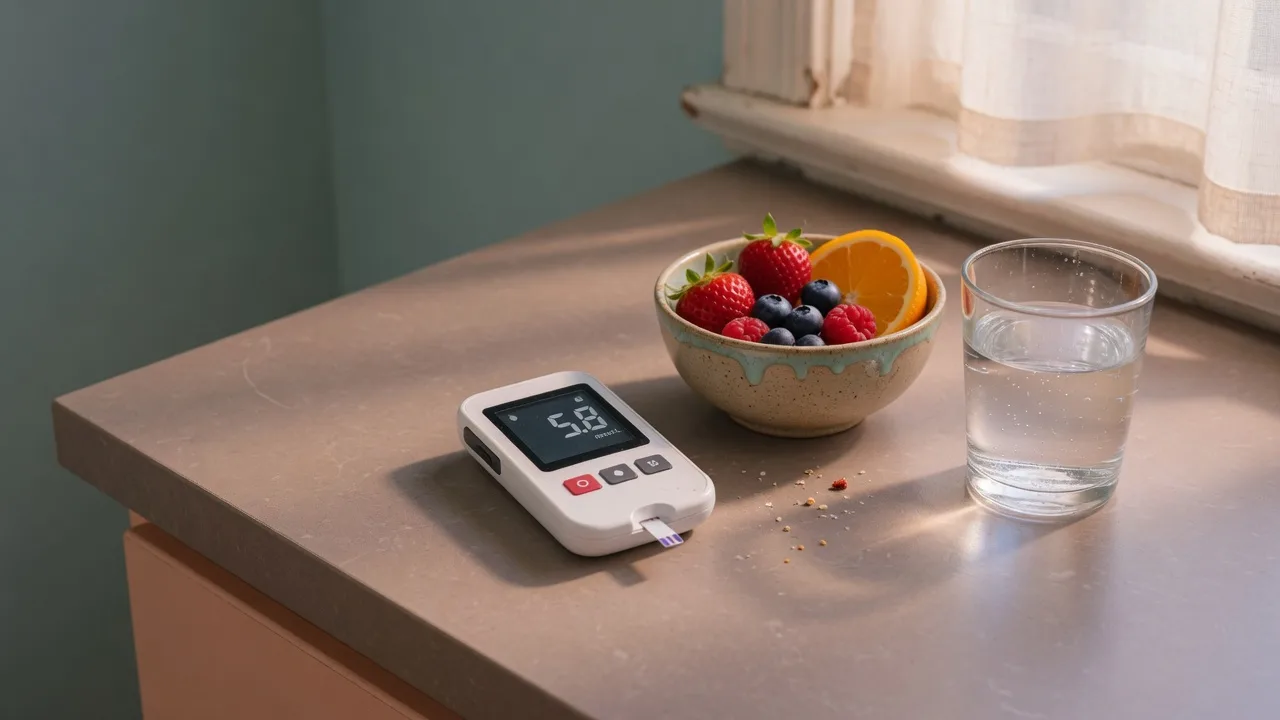
Insulin resistance means the body's cells do not respond to insulin as well as they should, so the pancreas has to work harder to keep blood sugar in range. It is typically identified through blood tests such as A1C and fasting glucose, and it is a key step on the path to prediabetes and type 2 diabetes. Vitality Medicine RX offers nurse practitioner-led telehealth metabolic care in states where Dr. Miklos Major II, Sc.D., DNP, NP-BC, FAAMFM holds an active license.
What insulin resistance means
Per the National Institute of Diabetes and Digestive and Kidney Diseases, insulin resistance is a condition in which the body does not respond to insulin the way it should. Cells in muscle, fat and liver take up glucose less efficiently, and the pancreas may eventually be unable to produce enough insulin to keep blood sugar normal.
How it is evaluated
- A1C, which reflects average blood sugar over about three months
- Fasting plasma glucose
- An oral glucose tolerance test when appropriate
- Fasting insulin, and a calculated HOMA-IR score, in some clinical contexts
- Lipids, blood pressure and waist circumference as part of the full metabolic picture
What the numbers mean
Per the CDC, prediabetes is commonly defined as an A1C of 5.7 to 6.4 percent or a fasting glucose of 100 to 125 mg/dL. A fasting glucose below 100 mg/dL is considered normal, and 126 mg/dL or higher on two separate tests suggests diabetes. Results are always interpreted in the context of your history and risk factors.
Why early detection matters
Insulin resistance often has no symptoms in its early stages, and it can be present for years before blood sugar rises. Weight loss, physical activity and dietary changes can meaningfully improve insulin sensitivity and reduce the risk of progression to type 2 diabetes.
When to talk to a clinician
If you have a family history of diabetes, carry excess weight around the abdomen, or simply want a clearer picture of your metabolic health, book a discovery call. We will confirm we can see you in your state and outline which labs may be appropriate.
Related Pages
Talk to a Clinician
This article is educational and does not replace individualized medical advice. If you have questions about your own health, book a discovery call with Vitality Medicine RX. Your care is led by Dr. Miklos Major II, Sc.D., DNP, NP-BC, FAAMFM, a Doctor of Nursing Practice (DNP) and Doctor of Science (Sc.D.), board-certified nurse practitioner (NP-BC). Care is available in states where he holds an active license.
Book a Discovery CallQuestions About This Topic
What blood test shows insulin resistance?
There is no single routine test. Clinicians typically use A1C and fasting glucose, and fasting insulin or a calculated HOMA-IR score in some contexts.
What is a normal fasting glucose?
A fasting glucose below 100 mg/dL is considered normal. Levels of 100 to 125 suggest prediabetes, and 126 or higher on two tests suggests diabetes.
Can insulin resistance be reversed?
Lifestyle changes, including weight loss and physical activity, can meaningfully improve insulin sensitivity and reduce the risk of progression to type 2 diabetes.
How do I get started?
Book a discovery call. We will confirm your state, review your history and goals, and outline the evaluation steps.
Last updated 2026-10-08.